
Creative Corners: Designing a Space That Inspires Art and Calm
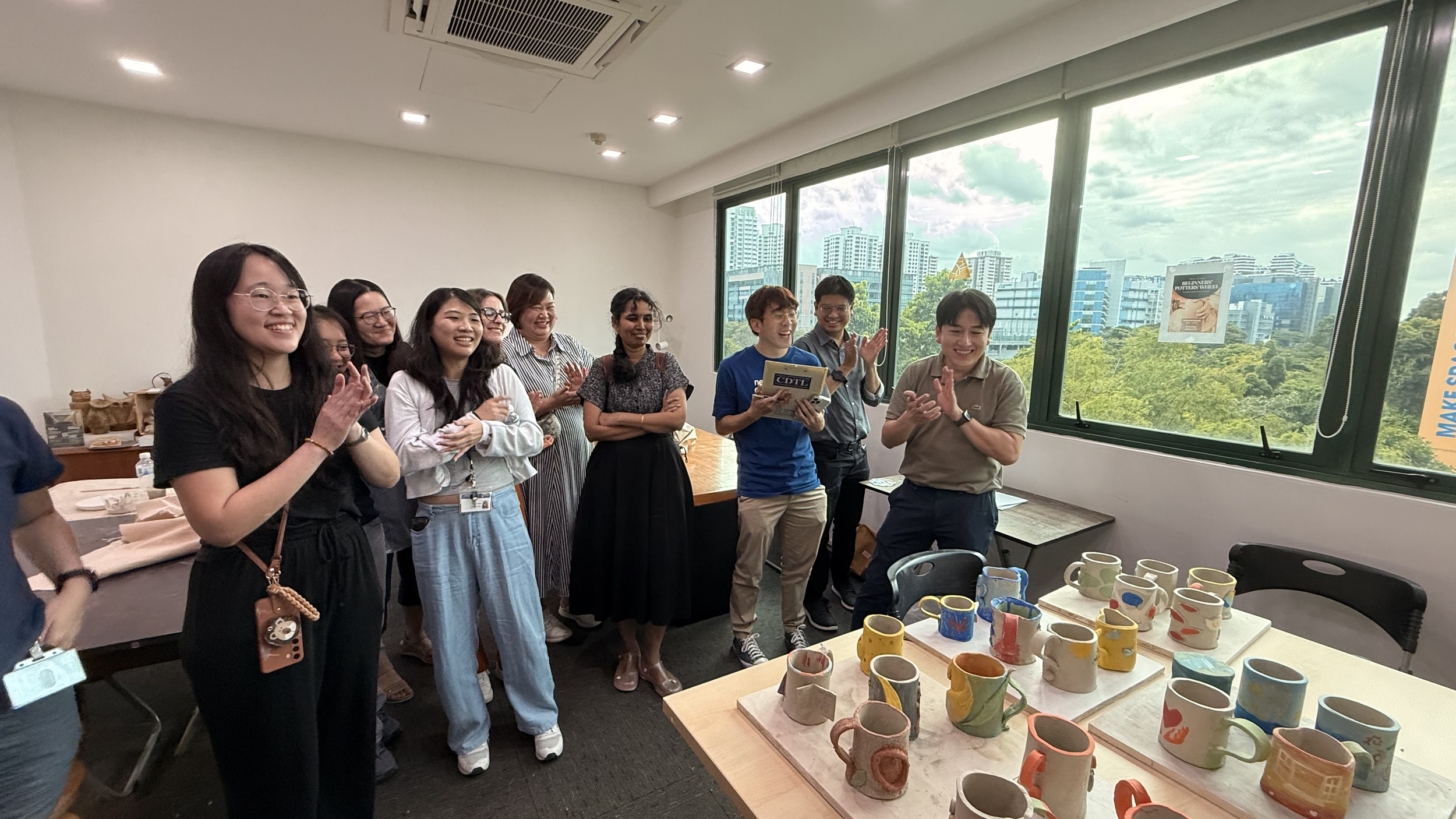
There is a particular kind of space that makes you want to make things.
You've probably felt it before. A room where the light falls just right. Where there's something about the air and the arrangement of objects that makes your hands want to be busy. Where you sit down intending to stay for twenty minutes and look up two hours later, surprised by both the time and what you've made.
Most of us don't have that space. We have corners of bedrooms and kitchen tables and desks that serve too many purposes at once. We make do. We create in the margins.
But the environment where you make things matters more than we usually acknowledge. The right space doesn't just hold your creativity. It actively encourages it. And understanding what makes a creative space work is one of the most useful things you can do if making things is something you care about.
What a Creative Corner Actually Needs
People assume that a good creative corner is about having the right tools and enough storage. And those things matter. But the more fundamental ingredients are different.
The first is permission. A space that communicates, by its very existence and arrangement, that creativity is what happens here. That this corner is not for answering emails or folding laundry or any of the other things that crowd out making. When you sit down in it, you know you're there to create. Everything else waits.
The second is sensory clarity. Creative work requires a particular kind of attention that is easily scattered by the wrong environment. Too much visual noise and your brain stays in processing mode rather than making mode. The right creative corner has a considered quality to it. Not minimalist necessarily, but intentional. Every object in it is there because it belongs.
The third is physical comfort that doesn't tip into passivity. You want to be settled enough to stay, but not so comfortable that you drift. A good creative space keeps you slightly alive, slightly engaged, slightly present in a way that a sofa never quite manages.
Light Is the Thing Most People Get Wrong
Ask anyone who makes things what they wish they had more of in their creative space and the answer is almost always light.
Natural light in particular changes everything. Not just because it helps you see what you're making more accurately, though it does. But because daylight has a quality of aliveness that artificial light can't quite replicate. It shifts through the day. It responds to weather. It makes the room feel connected to something larger than itself.
If your your creative space at home doesn't have great natural light, the next best thing is warm, layered artificial lighting that avoids the flat overhead glare that most rooms default to. A lamp positioned at work surface level. Something directional that follows your hands rather than flooding the ceiling.
In our pottery studio, we think about light constantly. Not as a design feature but as a functional one. The way light falls on clay tells you things about the surface you're working on that you simply cannot see in a badly lit room. Good light is not aesthetic. It is practical.
The Space Tells You How to Behave
This is something that professional studios understand and home creative corners often overlook. Space is not neutral. It communicates.
Walk into a room that is chaotic and unorganised and you will feel scattered before you've picked up a single tool. Walk into a room that is too pristine and formal and you will feel reluctant to disturb it. The sweet spot is a space that feels ready. Prepared for making. Where the tools are accessible but not cluttered. Where there's room to work and room to think and the whole arrangement seems to be waiting for you to sit down and begin.
This is why the design of a ceramic studio is not an afterthought. It is part of the work. A well designed studio shapes how people feel from the moment they walk in, before anyone has touched any clay. It settles them. It signals that this is a place where making is taken seriously and where they are welcome to take it seriously too.
We've written about exactly this in our piece on what makes a great pottery studio, which goes into the specifics of how space and atmosphere shape the creative experience.
Why Studio Spaces Work in Ways Home Corners Can't
There is something a dedicated creative studio offers that even the most carefully designed home corner cannot: separation.
When you create at home, you are always also at home. The domestic world is present. The dishes, the notifications, the sense of other things waiting. Your brain never fully crosses into creative mode because it is still, at some level, in the context where everything else happens too.
A pottery studio Singapore visit changes that entirely. You are somewhere else. The context is different. Your body knows it's in a making place, not a living place, and it adjusts accordingly. The focus that takes ten minutes to find at home arrives almost immediately in a studio.
This is one of the reasons people who have a strong home creative practice still find huge value in coming to a ceramic studio Singapore regularly. Not because their home corner isn't working. But because the studio gives them something the corner structurally cannot: a complete change of context, and with it, a different quality of creative presence.
At Klay Kathaa, that context shift is something we've put a lot of thought into. The studio is designed to feel like somewhere you'd want to spend a Saturday, not a space you simply tolerate in order to access the tools.
The Objects Around You Matter More Than You Think
Creatives are often told that their environment should be stripped back. Clean and spare so as not to distract. But there's a counterargument worth making.
The right objects in a creative space don't distract. They inspire. A shelf of ceramics made by people who came before you. A piece of work that didn't come out as planned but which you kept anyway because there's something in it. A material you're not currently using but which you keep nearby because looking at it makes you think.
These objects are not clutter. They are part of the creative ecosystem of the space. They tell you where you are and what kind of making happens here. They remind you of the continuum of craft you're participating in, which is a useful thing to feel when you're starting something new and uncertain whether it's going anywhere.
In a singapore pottery studio that has been used and loved, you feel that history in the walls. The marks left by previous sessions. The objects on the shelves. The particular worn quality of a workbench that has had hundreds of hands on it. That texture is not something you can design. It accumulates. And it matters.
Building Your Own Creative Corner
If you are designing or refining a creative space at home, here are the things worth prioritising.
Give it a defined boundary. Even if it is a corner of a room rather than a room of its own, make it clear where the creative space begins and ends. A rug, a screen, a change of flooring: anything that signals to your brain that crossing this threshold means something different begins.
Keep the tools of your practice visible and accessible. Not stored away in boxes that require unpacking before you can start. The easier it is to begin, the more often you will.
Introduce something living. A plant on the windowsill. Something that changes slowly, that is alive in the same room where you are making. It sounds small. It is not.
And if you want to understand, in a felt and physical way, what a truly considered creative space can do for your practice, spend an afternoon at one of our studio workshops. Not necessarily to become a potter. But to experience what it feels like to make something in a space that was built specifically for that purpose. You will notice the difference in how you work, and you will take something of that back with you.
The Space Is Part of the Practice
The best creative corners are not accidents. They are acts of intention. Someone decided that making things mattered enough to give it a proper home. And that decision changed what happened in that home, and in that person.
A studio works the same way. It is a statement that creativity deserves a real space, not just a corner of whatever is left over. And spending time in one, regularly, is one of the most useful things you can do if making things is part of how you understand yourself.
We've explored this from a different angle in our piece on why a pottery studio feels like a second home for creatives, which is worth reading if this is something you're thinking about seriously.
And if you want to come and see what we've built, or just want to talk about what the right workshop might look like for you, we'd love to hear from you. Read more about what life at the studio looks like on our blog.
